How to Write Muslim Biodata for Marriage (Examples Inside)
How to write muslim biodata for marriage: honest structure, deen lines, what to skip, photo etiquette, and templates families actually read before nikah.
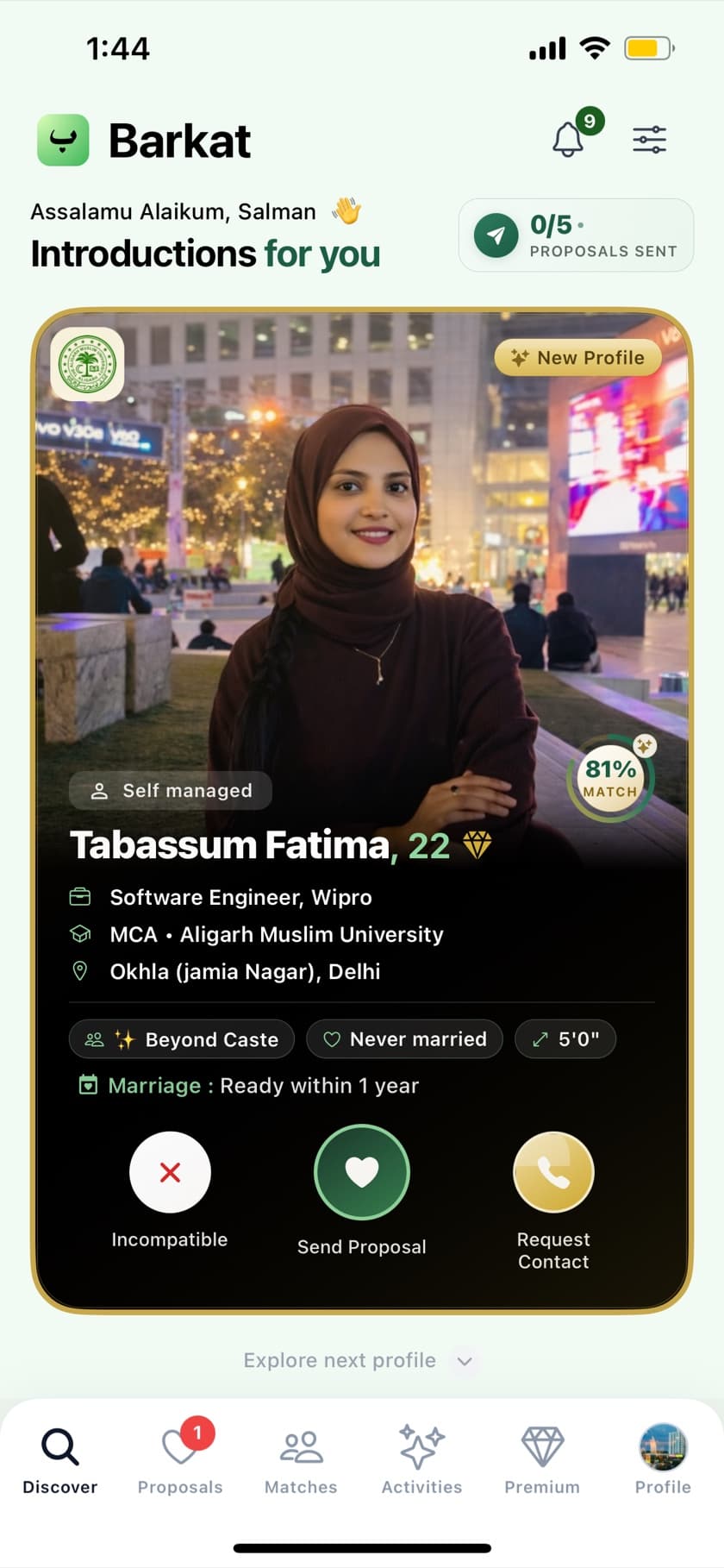
A Muslim biodata for marriage is one of the most important tools in your marriage journey. Done well, it helps serious prospects and their families understand who you are and what you're looking for — without wasting time or crossing Islamic boundaries.
Here's how to write a biodata that stands out for the right reasons.
Treat this page as a how to write muslim biodata for marriage workshop in text form—clarity beats cleverness every time when wali and parents are reading too.
📌 What Is a Muslim Biodata?
A Muslim biodata is a structured profile used for marriage proposals. It typically includes:
- Personal and family background
- Education and profession
- Religious practice and values
- What you're looking for in a spouse
- Contact or next steps (often through a wali or platform)
On Muslim matrimonial sites and Islamic marriage apps, your biodata is the first thing families and potential spouses see. Clarity and honesty matter more than clever wording.
🧾 Ideal Structure of a Muslim Biodata
You can organise your Muslim biodata for marriage in a clear order so readers can scan quickly.
1. Basic Information
- Name (full name and what you prefer to be called)
- Age
- Height (if you're comfortable sharing)
- Location (city/country)
- Marital status (never married, divorced, widowed — be clear)
2. Education & Profession
- Degree, institution, and year (if you're comfortable)
- Current role and industry
3. Family Background
- Brief line on parents' background, siblings, and family values
4. Religious Practice
- Sect if relevant, salah, fasting, Quran, hijab for women
- What matters to you (e.g. raising children with Islamic values, halal income)
5. What You're Looking For
- Key qualities (deen, character, family values, ambition)
- Practical expectations (location, relocation, career)
- Deal-breakers (e.g. must pray five times, must want children, family involvement)
Keep each section concise. Long paragraphs are hard to scan; bullet points or short lines work better. Length: one to two pages (or one screen) is usually enough.
✨ About Yourself (Most Important Section)

Write something meaningful and authentic. This is where you go beyond the checklist and show character:
- Be honest. Don't exaggerate or downplay your deen or lifestyle. Misleading someone harms trust and can lead to problems after nikah.
- Focus on values. What do you care about? Family, community, growth, simplicity? A few genuine sentences help the right person recognise you.
- Keep tone respectful. Use clear language — no slang or humour that could be misunderstood. Avoid criticising others ("no drama", "no games"). Instead, state what you value: "Looking for someone serious about marriage and family."
- Proofread. Typos and messy formatting can make you look careless.
If you're stuck, start with: "I'm looking for a spouse to complete half my deen. I value [X, Y]. I'm hoping to find someone who [qualities]." Then refine.
📱 Biodata vs Matrimony App Profile
A traditional Muslim biodata (a document or PDF shared via family) and an app profile serve the same goal: introducing you for marriage. The difference is format and reach. For the spoken or newspaper version, see introduction for marriage.
- Traditional biodata: Often shared by family or on Muslim matrimonial sites as a downloadable or fill-in form. More formal, detailed, and familiar to families who prefer a "biodata document."
- App profile: What you fill in on Muslim marriage apps — same information, but in fields and sections. Platforms like Muzz, Salams, and Barkat let you create a profile that works like a biodata: basic info, about you, what you're looking for, and (where allowed) a photo.
Use the same principles for both: be clear, honest, and marriage-focused. If you're on an app, treat your profile as your Muslim biodata for marriage — it's your first impression.
💡 Pro Tips to Stand Out
- Use a clear photo (if the platform allows). Modest dress, neutral background, face visible. A recent photo often increases serious interest. If you prefer not to show a photo publicly, say so and offer to share via family or after initial screening.
- Be honest. About deen, past marriage, location, and expectations. Filters out mismatches and builds trust from the start.
- Highlight values. Deen, character, and family matter more than a long list of hobbies. Show what you care about.
- Keep it focused. One to two pages or one screen. Quality and honesty beat length.
- Add next steps. "Contact via my wali" or "Message through [platform]." Makes it easy for serious people to take the next step.
🚀 Create Your Profile Today
A strong Muslim biodata is clear, honest, and focused on marriage. It helps you attract people who are serious about nikah and completing half your deen, and it sets the right tone from the start.
Join Barkat — built for serious Nikah intent.