What Is Nikah in Islam? Meaning, Process & Requirements
Understand nikah meaning, consent, mahr, witnesses and the wali's role, with a practical Islamic marriage checklist for couples and families.
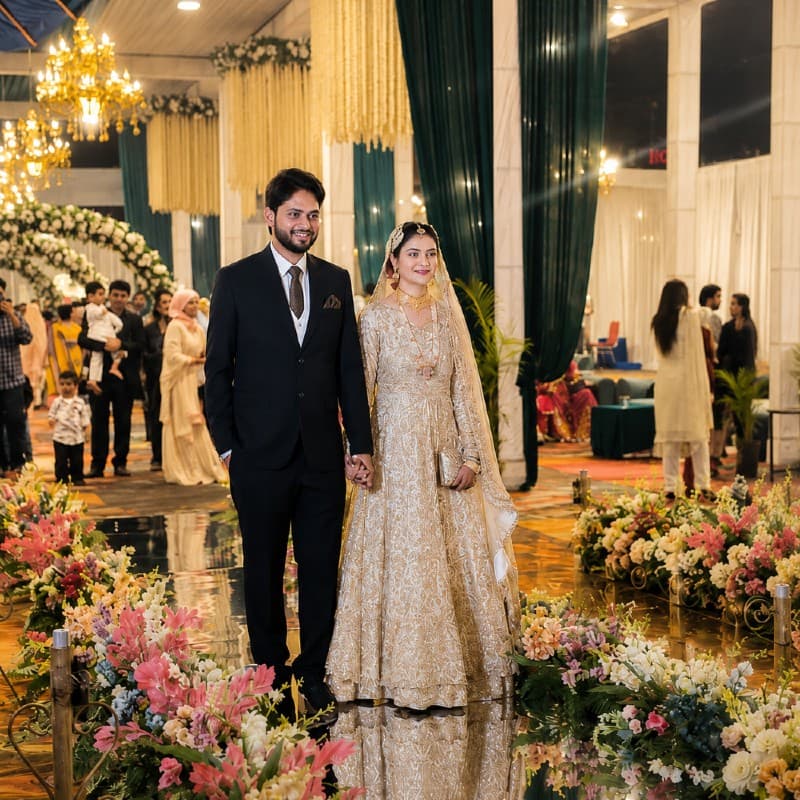
Nikah is the Islamic marriage contract through which a couple enter marriage with recognised rights and responsibilities. In everyday conversation, the word also refers to the ceremony at which that contract is concluded.
Wedding planning can make the ceremony feel like one item between the venue booking and the guest list. Yet the most important questions are quieter ones. Have both people freely agreed? Do they understand the mahr? Have they discussed where they will live and how they will make decisions together?
Understanding the nikah meaning helps bring those questions back to the centre. This guide explains the main concepts and a practical preparation process. Details of Islamic marriage law differ between schools, so the officiant should confirm the requirements applicable to your circumstances before the ceremony.
Nikah meaning: a contract with a human purpose
A Muslim nikah is a serious commitment, not simply a blessing for a relationship or a promise to marry later. It establishes a marriage when its applicable conditions are fulfilled.
The Qur'an describes marriage through tranquillity, affection and mercy in Surah Ar-Rum 30:21. That description gives the paperwork a purpose: building a relationship in which both people can find care and security.
Consider a simple example. A couple agree enthusiastically about a small wedding but have never discussed whether one will move cities. The ceremony may be carefully planned, yet a major part of married life remains unspoken. Preparing for nikah means making room for that conversation before commitments become harder to revisit.
What are the requirements for nikah?
The following is an introduction, especially to common Sunni practice, rather than a universal validity checklist for every school or individual case.
1. Free and informed consent
Both people should understand whom they are marrying and freely agree to the marriage. Family enthusiasm cannot replace the couple's own decision.
Sahih al-Bukhari 5136 records the requirement to seek a woman's permission in marriage. For practical preparation, give each person a genuine opportunity to speak, ask questions and decline without intimidation. Do not treat embarrassment, family pressure or a reluctant silence as a reason to avoid checking consent.
A useful question before the day is: “Would you still choose this marriage if nobody were disappointed by a no?” It belongs in a private, respectful conversation, not a public test in front of guests.
2. A clear offer and acceptance
Ijab and qabul refer to offer and acceptance. They express agreement to the marriage contract. The appropriate parties or authorised representatives conclude the contract in the manner required by the school being followed.
Egypt's Dar Al-Ifta explains offer, acceptance and witnesses in its overview of Islamic marriage requirements.
Ask the officiant to explain the wording beforehand in a language both people understand. Repeating sounds without understanding what is being agreed defeats an important part of preparation.
3. Mahr: the bride's right
Mahr, also written as mehr, is the marriage gift or financial entitlement due from the groom to the bride. Qur'an 4:4 establishes this entitlement and addresses a woman's voluntary decision about it.
Mahr belongs to her. It is not a payment to her parents or a measure of her value. Nor should it be confused with demands placed on the bride's family.
Agree clearly on what is owed, what is paid immediately and what, if anything, is deferred. Record the amount or asset and the agreed payment terms. A deferred promise deserves the same seriousness as an immediate payment.
Do not casually declare an existing marriage invalid because mahr was not named at the ceremony: the legal consequences require qualified guidance. For a marriage you are planning, clarity now helps prevent disagreement later.
4. The wali's role
A wali is a marriage guardian. Most Sunni schools require a wali for the bride's marriage contract. The Hanafi school recognises an adult woman's capacity to contract her marriage under specified conditions; this is not a blanket statement that family circumstances never matter. Dar Al-Ifta discusses the Hanafi position and its conditions.
If a guardian is absent, refuses unreasonably or poses a safety concern, seek advice from a qualified scholar who can hear the facts. A generic online answer cannot resolve every case. Our guide to the role of the wali in nikah provides further context.
5. Witnesses and eligibility
Witness requirements are central in Sunni marriage practice, but their detailed qualifications differ between schools. Other Islamic traditions also differ. Confirm the required witnesses with the officiant instead of assuming that any two guests will do.
The couple must also be eligible to marry each other. Prior marriages, prohibited relationships and any applicable waiting period can affect eligibility. Raise relevant circumstances before booking the ceremony; avoid leaving sensitive questions for the moment guests arrive.
The nikah process, step by step
Before the ceremony: settle the practical questions
Choose a qualified officiant and explain the relevant circumstances. Confirm consent, the wali arrangements where applicable, witnesses and mahr. Obtain the paperwork checklist early.
Then make time for the conversations that a form cannot capture. Where will you live? How will finances work? What are your expectations about work, further study, children and care for parents? How will you handle a disagreement without involving the whole family immediately?
The premarital questions guide offers a starting point. These discussions need not make the engagement joyless. Often they make it easier to feel confident about the commitment.
During the ceremony: understand what is happening
A typical ceremony may include a khutba in nikah or religious reminder, confirmation of consent and agreed contract terms, the offer and acceptance, and documentation witnessed as required. The exact order and arrangements can vary. For a day-of checklist, see how to plan a nikah ceremony.
Ask for a pause if a name, mahr term or other important detail is incorrect. There is no benefit in letting a misunderstanding pass because the room feels formal.
After the contract: keep records and begin married life thoughtfully
Both spouses should have access to their marriage documents and understand any outstanding commitments. Follow up on applicable civil registration requirements with the appropriate local authority.
The walima is the wedding feast associated with celebrating the marriage. It is distinct from the contract. Rukhsati is a cultural send-off, not a second nikah. The date of a reception should not obscure when the marriage was actually concluded.
Documents for a nikah in India: what should you prepare?
Ask the officiant and the relevant marriage registration authority for their current lists. Depending on the process, they may request identity and age evidence, address details, photographs, witness information and documents relating to an earlier marriage.
This is a preparation list, not a universal statement of Indian legal requirements. A religious nikahnama and civil registration are not interchangeable in every context. For the difference between a nikahnama and a government record, read Muslim marriage certificate in India. Confirm what is needed for your location and circumstances, especially where either spouse has an earlier marriage or overseas documentation.
Keep names and spellings consistent across documents. Store copies somewhere both spouses can access, rather than leaving the only copy with a relative after the celebrations.
A short nikah preparation checklist
- Both people freely consent and understand the commitment.
- The officiant has confirmed eligibility and the applicable requirements.
- Wali or representative arrangements, where needed, are settled.
- Suitable witnesses know when and where to attend.
- Mahr and payment terms are clearly recorded.
- The couple have discussed essential expectations for married life.
- Documentation and any civil registration follow-up are planned.
- The celebration fits the couple's circumstances and budget.
Frequently asked questions
Is nikah the same as an engagement?
No. An engagement is an intention or promise to marry. A valid nikah establishes the marriage itself. Being engaged does not by itself give the couple the status of spouses.
Does nikah have to take place in a mosque?
A mosque is a common venue, but the venue alone does not determine validity. Ask the officiant to confirm suitable arrangements and all applicable conditions.
Is saying “qubool hai” three times the whole nikah?
No. The familiar phrase expresses acceptance, but the marriage contract involves more than a repeated response. Consent, the parties, witnesses and other applicable conditions must be properly addressed.
Is mahr the same as the wedding budget?
No. Mahr is the bride's entitlement. Money spent on a venue, food or clothes should not silently be treated as replacing it.
Does a simple nikah mean a less meaningful wedding?
No. Thoughtful consent, clear commitments and care for one another give the occasion its depth. A modest setting can leave plenty of room for joy.
If you are still at the beginning of your search, compare matrimony websites and apps. As you move towards nikah, give the life after the ceremony at least as much attention as the ceremony itself.